

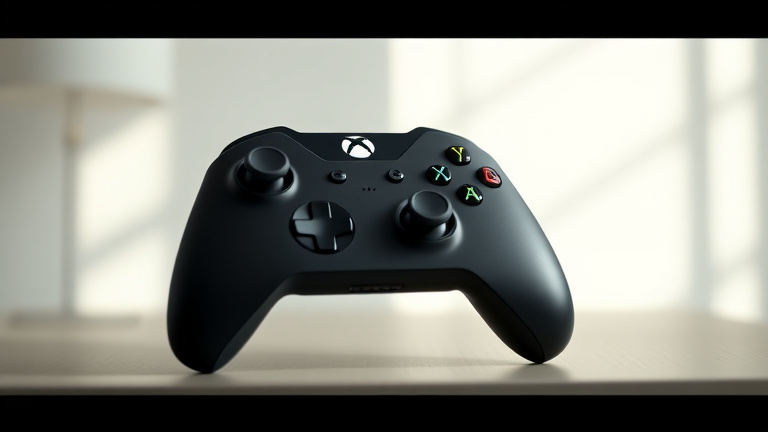
Microsoft is reshaping gaming accessibility by substantially increasing Xbox Cloud Gaming capabilities for mobile devices. This cutting-edge move allows gamers to effortlessly access their favorite Xbox titles directly to mobile devices, removing hardware limitations and allowing play anywhere, anytime. Discover how this expansion transforms the remote gaming experience, what devices are available, and what it means for the potential of cloud gaming. Learn about the offerings, benefits, and implications on how millions of gaming enthusiasts enjoy their beloved franchises.
Improved Mobile Gaming Platform
Microsoft’s growth of Xbox Cloud Gaming constitutes a revolutionary change in gaming accessibility on mobile devices. Players can now experience their full range of Xbox games on portable devices with impressive simplicity and comfort. This technological advancement eliminates the need for high-end gaming devices, allowing gamers to access premium titles immediately. The seamless streaming experience ensures that users experience consistent performance and visual quality across different smartphones and tablets, regardless of display dimensions or computational capacity. This expansion of gaming participation gives gamers everywhere the ability to engage with their preferred gaming groups without geographical or financial barriers.
The upgraded mobile platform features intuitive touch controls and customizable interface options designed specifically for mobile devices. Players enjoy intelligent streaming systems that intelligently adapts visual quality and frame rates based on network conditions, delivering smooth gameplay even with variable internet speeds. The connection to existing Xbox accounts allows immediate access to game collections, achievements, and multiplayer functionality. Furthermore, the improved latency management allows immediate response gameplay for action-intensive titles, narrowing the difference between traditional console and mobile experiences. These upgrades combined produce a play environment that matches standard console sessions.
Cross-device synchronization serves as a key feature of this update, enabling players to start playing on their console and effortlessly switch on mobile devices. Progress saves automatically, ensuring no break in gameplay or achievement tracking. The integrated platform maintains all gaming statistics, in-game purchases, and multiplayer rankings between devices. Players can move between platforms mid-session while retaining their position or game state. This seamless integration transforms how gamers spend their downtime, accommodating busy lifestyles and diverse gaming preferences across their daily schedules.
The upgraded mobile support features enhanced graphics rendering capabilities that enhance on-screen visuals for different display sizes and frame rates. High-efficiency compression methods minimize bandwidth requirements while preserving impressive visual clarity and smooth frame rates. The platform allows for enhanced resolution playback on compatible devices, providing premium-grade visuals directly to mobile screens. Enhanced battery management extend gaming sessions by reducing energy usage during prolonged gaming sessions. These performance enhancements highlight Microsoft’s commitment to offering superior gameplay quality that compete with dedicated gaming hardware.
Network optimization represents a significant development in this scaling, with enhanced server capabilities reducing latency and network disruptions. Players benefit from quicker reaction speeds during multiplayer competitions, essential for fast-paced titles and esports titles. The enhanced infrastructure design handles parallel connections from millions of players without decline in service quality. Advanced routing systems channel data through ideal channels, minimizing lag and maintaining stable connections across different regions. These infrastructure improvements provide a competitive benefit for serious gamers while maintaining accessibility for casual players.
Personalization features have been substantially improved to support individual preferences and gaming styles on smartphones and tablets. Players can customize controller layouts, adjust sensitivity settings, and set up accessibility features tailored to their particular requirements. The platform learns user preferences through AI technology, suggesting games and optimizing settings based on play history and playstyle. Voice control features allow hands-free navigation and in-game control, improving ease of use during mobile gaming sessions. These personalization capabilities ensure that every player enjoys a personalized gaming experience that adapts to their personal needs and preferences.
Technical Enhancements and Features
Improved Streaming Quality and Reliability
Microsoft has introduced advanced data compression techniques and dynamic streaming technology to ensure superior visual quality across varying network conditions. The improved infrastructure ensures smooth gameplay with lower lag, allowing players to enjoy their favorite Xbox titles with minimal input delay. These enhancements ensure that remote gaming on mobile devices competes with conventional gaming systems, rendering remote play a feasible solution for gamers of all skill levels.
The newest updates introduce dynamic resolution scaling, which adapts graphics quality according to available bandwidth. This intelligent optimization guarantees consistent frame rates and responsive controls, even on limited bandwidth. Players can now experience high-fidelity gaming experiences without frequent interruptions or technical hiccups, substantially boosting the player experience and making Xbox Cloud Gaming an excellent option for portable gaming fans worldwide.
Cross-Device Compatibility and Seamless Integration
Microsoft’s extension encompasses comprehensive support for both Android and iOS operating systems, with smooth connectivity across tablets, smartphones, and additional handheld devices. The cohesive platform permits players to start gaming on one device and resume on another uninterrupted, utilizing cloud synchronization for game progress and gameplay data. This multi-device compatibility enhances reach, enabling gamers to enjoy their library irrespective of their preferred mobile ecosystem or hardware choice.
The upgraded integration incorporates improved controller support, with optimized compatibility for Xbox controllers, external Bluetooth devices, and on-screen touch controls. Sophisticated haptic feedback technology provides tactile responses, producing immersive gaming experiences on portable devices. Additionally, cloud saves automatically synchronize across all connected devices, guaranteeing players maintain progress consistency and enjoy uninterrupted gaming sessions wherever they travel.
Network Optimization and Connectivity
Microsoft has rolled out sophisticated network optimization protocols that smartly channel data through the optimal routes, decreasing lag while enhancing stability. The infrastructure now supports both 4G and 5G networks, with dedicated servers distributed worldwide to reduce geographical latency. These system upgrades ensure dependable network access across all regions, making Xbox Cloud Gaming available for players in urban centers and remote areas alike.
The platform now offers sophisticated network analysis tools that identify and report network issues in real-time, allowing users to fix problems without assistance. Redundancy protocols seamlessly switch between accessible connections when connection stability varies, eliminating unexpected disconnects during play. These substantial infrastructure enhancements showcase Microsoft’s commitment to delivering business-class stability for mobile gaming in the cloud, creating new performance benchmarks for distant gameplay consistency.
Future Impact and Market Expansion
Reshaping the Gaming Industry
Microsoft’s growth in Xbox Cloud Gaming represents a critical transformation in how the gaming industry approaches player accessibility and engagement. By allowing remote play on mobile devices, the company is broadening access to premium gaming experiences, giving millions of users to access quality gaming content without investing in costly equipment. This strategic move puts Microsoft to reach a wider audience, particularly among informal players and developing regions where mobile devices act as primary computing platforms. The implications go further than individual players, possibly transforming industry standards and compelling competitors to speed up their cloud gaming efforts to remain relevant.
The long-term growth prospects of this expansion is substantial and diverse. Cloud gaming reduces barriers to entry, enabling players to access cutting-edge games immediately upon release. This ease of access boosts subscriber expansion for Xbox Game Pass, Microsoft’s leading gaming platform, creating ongoing revenue sources. Additionally, the technology appeals to underserved demographics, such as players in areas featuring restricted hardware access and those seeking flexible gaming options. Industry experts forecast substantial expansion in cloud gaming adoption, with mobile platforms becoming increasingly central to gaming landscapes worldwide.
Competitive Advantages and Sector Reaction
Microsoft’s strategic growth establishes a market edge in the fast-changing cloud gaming sector. By improving the remote play experience for smartphones and tablets, the company sets itself apart from competitors like Sony and Nintendo, whose cloud offerings remain less developed. This market leadership attracts both players and developers, strengthening the Xbox ecosystem’s overall appeal. The expansion also demonstrates Microsoft’s commitment to innovation and customer-centered approach, enhancing brand loyalty and market perception. Initial players acquire critical feedback and learning, allowing for continuous improvement and refinement of the platform.
Industry players are likely to ramp up their cloud gaming investments in reaction to Microsoft’s market push. Sony’s PlayStation Plus Premium service and Nintendo’s cloud-based programs may receive increased resources and technical attention. This market competition ultimately helps consumers through better service quality, expanded game libraries, and upgraded technological systems. The market expansion initiated by Microsoft’s move could solidify cloud gaming as the dominant distribution model within the coming five to ten years, significantly transforming how players access and enjoy gaming content across all platforms and devices.
Strategic Vision and Long-Term Goals
Microsoft’s expansion reflects a broad strategic approach for the future of interactive entertainment. By substantially committing to cloud infrastructure and mobile optimization, the company positions itself as a innovation-focused organization focused on accessibility and inclusivity. This long-term perspective extends beyond immediate revenue gains, concentrating on establishing Xbox as a ubiquitous platform available to billions of potential players worldwide. The expansion supports Microsoft’s wider cloud infrastructure strategy, leveraging Azure infrastructure to offer stable, responsive gaming performance globally.
The core aim of this expansion is to move beyond conventional gaming boundaries and position Xbox as a lifestyle platform integrated seamlessly into daily routines. As cloud technology matures and network infrastructure strengthens worldwide, Microsoft envisions a future where gaming becomes universally accessible irrespective of device, location, or economic status. This vision drives continuous investment in technology, content, and customer experience enhancements. By executing this strategy effectively, Microsoft could dramatically transform the gaming industry, creating unprecedented opportunities for players, developers, and the wider media ecosystem while strengthening its standing as a dominant force in interactive entertainment for decades to come.
