

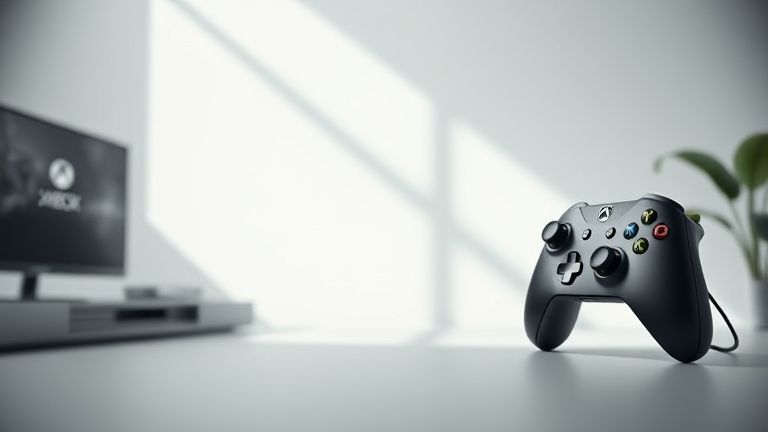
Video gaming has long been a widespread interest, yet millions of disabled gamers faced significant barriers to access. Microsoft’s Xbox has revolutionized this industry by pioneering extensive accessibility tools that reshape how people with various disabilities engage with games. From customizable controllers to advanced audio narration and assistive tech solutions, Xbox is breaking down walls and establishing truly welcoming play spaces. This article examines how these innovative capabilities are enabling gamers globally, ensuring that everyone can enjoy the experiences, narratives, and social spaces that gaming offers.
Understanding Xbox Commitment to Accessibility
Microsoft’s focus on accessibility transcends basic compliance—it represents a core principle that gaming ought to be inclusive for everyone. Xbox has made substantial investments in research, development, and partnerships with disability rights groups to confirm their platforms address varied requirements. This focus shows a understanding that accessibility benefits not only disabled gamers but enhances the overall gaming experience for all users. By making accessibility a priority from the beginning, Xbox shows that design for inclusion is not an add-on but a central principle driving innovation across their complete product ecosystem.
The company’s accessible design initiatives span hardware, software, and user assistance, establishing a comprehensive ecosystem centered on inclusivity in mind. Xbox acknowledges that disabilities differ significantly—from visual and hearing impairments to movement limitations and cognitive differences—requiring varied support options. Through ongoing input from the disability community and rigorous testing, Xbox improves its features to tackle everyday challenges. This proactive approach has positioned Xbox as an industry leader in gaming accessibility, setting standards that inspire competitors and demonstrating that profitability and inclusion can coexist harmoniously in the gaming industry.
Essential Accessibility Features and Resources
Xbox has created a broad range of adaptive capabilities designed to accommodate players with different accessibility needs. These tools represent extensive development, user feedback, and technological innovation focused on eliminating barriers to interactive entertainment. By incorporating adaptive functionality directly into hardware and software, Xbox ensures that personalization settings are offered to all players, irrespective of their specific needs or abilities. The platform’s commitment surpasses basic compliance, establishing authentically welcoming gaming experiences.
Input and Controller Configuration
The Xbox Adaptive Controller stands as a innovative input device, equipped with adjustable buttons, triggers, and sensitivity options that support various physical abilities. Players can customize their control mapping, modify stick sensitivity, and merge multiple inputs into one action, enabling customized gaming experiences. The controller’s modular structure allows attachment of specialized switches and mounts, supporting individuals with limited mobility or dexterity challenges. This flexibility ensures that physical barriers never prevent someone from enjoying their favorite games.
Beyond the Adaptive Controller, Xbox provides advanced button remapping and control customization throughout all platforms. Players can customize stick acceleration, trigger sensitivity, and create custom profiles for various games. Voice control provide hands-free access and gameplay, while eye-tracking systems provides other control approaches. These comprehensive input options ensure every player achieves their optimal control scheme.
Sight and Sound Assistance Options
Xbox’s visual assistance features encompass high-contrast modes, color-blind accessible options, and customizable text sizes that enhance legibility for players with vision impairments. Screen reader technology deliver spoken narration of displayed content, enabling visually impaired users to navigate menus and understand game environments. Brightness controls, reduced motion options, and streamlined display layouts support different visual requirements and sensitivities.
Audio support features encompass mono audio support, adjustable frequency ranges, and on-screen cues for important sound cues. Text captions and subtitles are extensively implemented across games and system menus, assisting deaf and hard-of-hearing players. Customizable audio profiles let players to highlight speech, lower background audio, or customize sound levels, making certain everyone can fully engage with game narratives and ambient sound.
Community Impact and Success Stories
Xbox’s accessibility initiatives have fundamentally reshaped the gaming landscape for countless gamers worldwide. Since deploying broad accessibility features, Xbox has seen substantial increases in its community of disabled players. Players who once felt left out now take part in multiplayer gaming, competitive esports, and narrative-focused games. The ripple effect goes further than individual gamers—entire families and friend groups have come together via accessible gaming. Microsoft’s dedication has sparked sector-wide evolution, demonstrating that inclusive approaches serves the entire community while increasing market reach substantially.
Actual success stories showcase the measurable impact of these advancements. Players with movement disabilities using adaptive controllers have achieved competitive gaming status, competing at the highest levels. Players with visual impairments navigate complex game worlds through sophisticated sound design and haptic feedback. Communities have emerged where disabled gamers mentor newcomers, exchange accessibility tips, and recognize victories together. These narratives emphasize a fundamental truth: accessibility features don’t merely accommodate disabilities—they unleash human potential, foster belonging, and enhance the entire gaming ecosystem by welcoming varied viewpoints and talents.
